This is an idea I can’t stop thinking about:
Winner’s Game vs. Loser’s Game
In the 1999 tennis book, Extraordinary Tennis for the Ordinary Tennis Player, author Simon Ramo broke down the difference between amateur and professional tennis:
Amateur tennis is a Loser’s Game. 80% of points are lost on unforced errors. You win by avoiding errors and waiting for your opponent to make errors.
Professional tennis is a Winner’s Game. 80% of points are won on incredible shots. You win by hitting incredible shots.
I don’t play tennis, but this is an idea that extends well beyond the confines of the court into every area of life.
There are two core insights here:
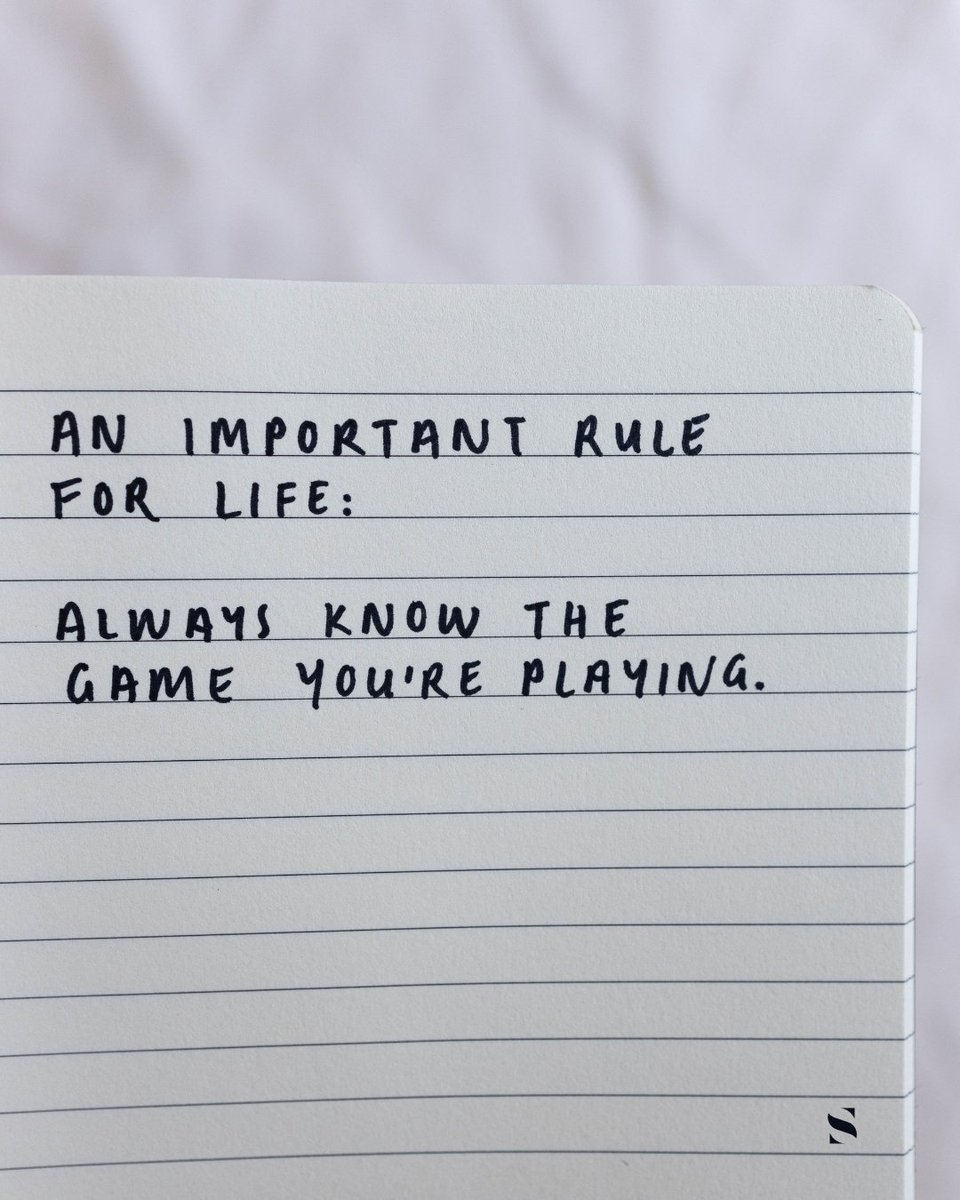
You have to know what game you’re playing.
There’s no point trying to hit magnificent shots if you’re playing a Loser’s Game.
You’re better off keeping it simple and avoiding unforced errors.
Similarly, there’s no point trying to play conservatively and avoid unforced errors if you’re playing a Winner’s Game.
You’re better off trying to hit the elegant shots.
The game you’re playing might change as the levels change.
What starts out as a Loser’s Game can become a Winner’s Game.
Example:
Your early career years may be defined as a Loser’s Game. You just need to avoid big mistakes and get the work done.
Your later career years may be defined as a Winner’s Game. Outsized rewards go to those who hit the magnificent shots.
I can’t stop thinking about this idea. Ever since I came across it, I feel like I’m seeing it everywhere.
Three questions I’m asking myself as a result:
What type of game am I playing? Am I being compensated for avoiding mistakes or for executing beautifully?
Is that the type of game I want to be playing based on my skillset?
How might the game change as I rise through the levels?
Consider these questions and the idea of the Winner’s Game vs. Loser’s Game in the months ahead.
I promise it will change how you look at the world. (View Tweet)
I tend to think top-0.1% performers are:
(1) Self-aware
(2) Strategic
(3) Relentless
Self-aware to determine their unique edge relative to the world.
Strategic to play games that uniquely favor that edge.
Relentless to exploit that edge again and again for decades. (View Tweet)
Investing is probably one of the only areas I can think of where you can achieve excellence by playing a loser’s game.
Your “excellence” doesn’t come from the magnificent shots, but from being willing to hit boring shots and avoid unforced errors for longer than others. (View Tweet)
 (View Tweet)