You are overcomplicating link building.
STOP following outdated advice that worked in 2018.
It’s 2024, and there are better, more efficient ways to build links.
Here’s a simple PLAYBOOK on the right ways to build backlinks for your site in 2024
(View Tweet)
Why should you build backlinks?
Backlinks are viewed as “votes” signaling valuable, credible content
They improve search engine rankings by indicating authoritativeness
High-quality backlinks can drive brand awareness and referral traffic
Backlinks help search engines discover and index your content
A diverse backlink profile can enhance your site’s trustworthiness (View Tweet)
Outdated backlinking advice that doesn’t work:
Sending out 1000s of emails with the same copy-pasted template is not as effective today.
Forum link-building may not be as effective because the links are no-follow links.
Buying links can lead to penalties and harm SEO ranking
Focusing on link quantity over quality is a big mistake
Quick and unsustainable tactics can lead to penalties
Comment spamming is no longer a viable strategy (View Tweet)
What are the best types of backlinks?
backlinks from sites that are topically relevant and have 1000+ visitors/month
high-authority, credible sites with DR > 35
unique domains rather than multiple links from the same domain
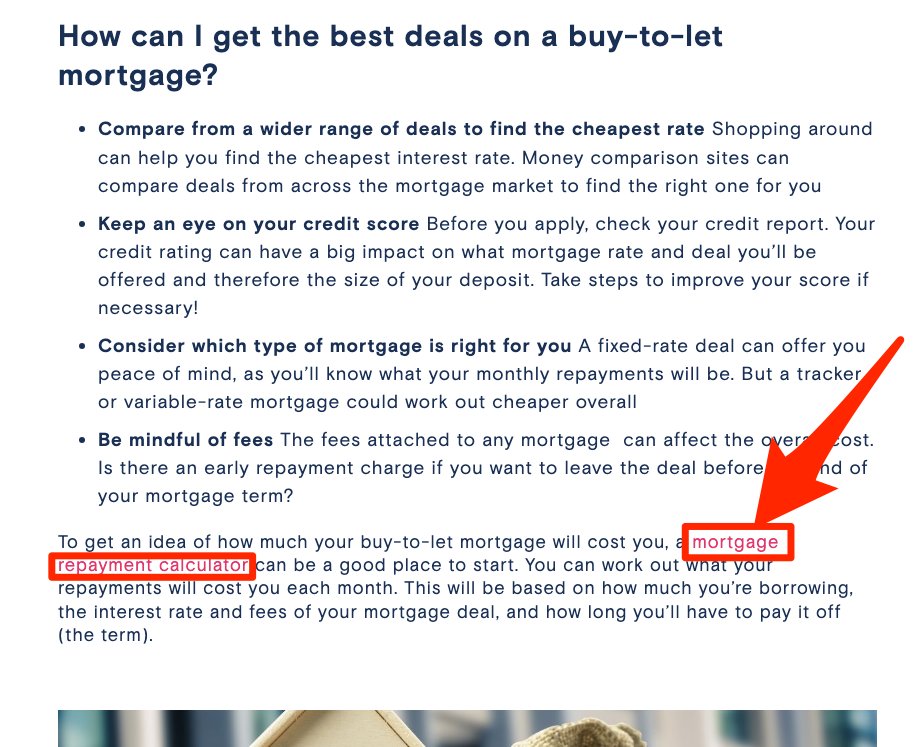
editorial backlinks within content
links that are naturally integrated into the content (View Tweet)
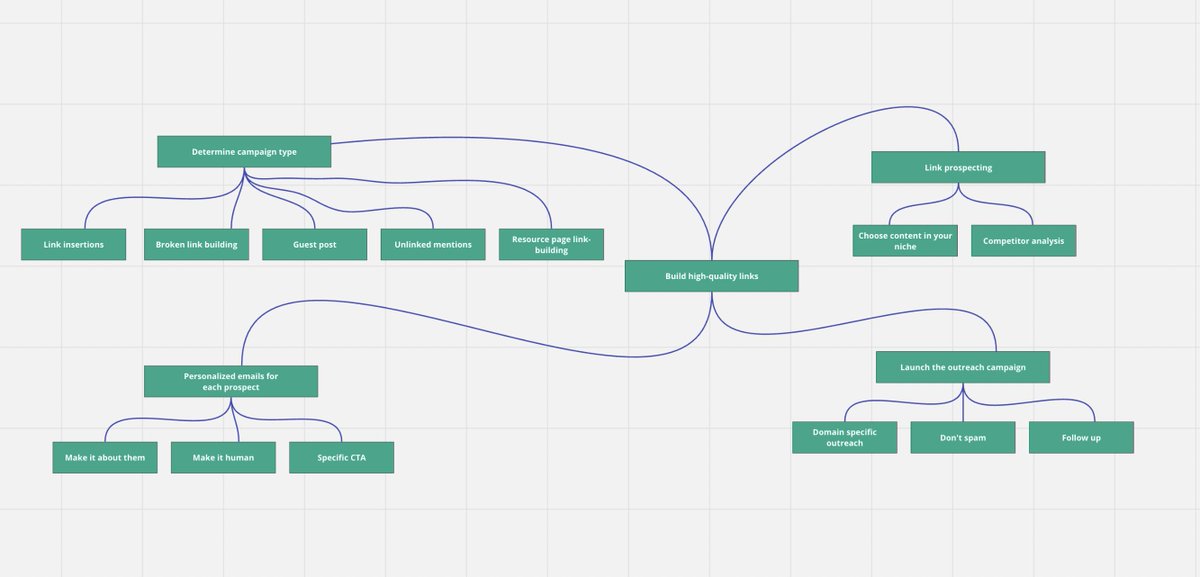
Link-building playbook to build high-quality links:
Step #1 Determine campaign type
You can run different types of link-building campaigns, here are the most common ones:
a. Link insertions
This is the most scalable tactic where you create cool resources that are link-worthy.
These could be link-bait assets like infographics, tools, calculators, quizzes, original research, long-form guides (5k words+)
For more ideas, Run your competitors through Ahrefs and check their “Top Pages by Links†(View Tweet)
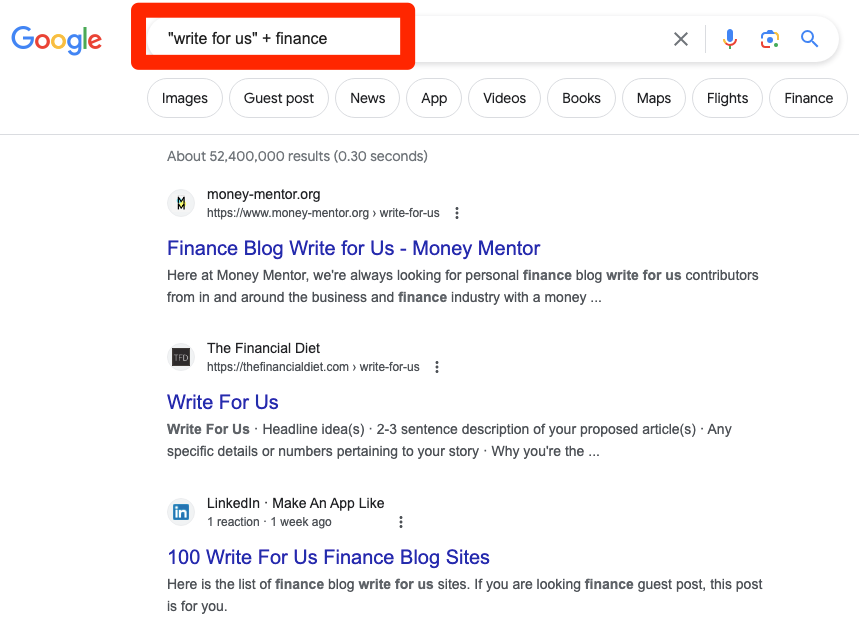
b. Guest posts
Find guest posting opportunities in your niche by searching this on Google “write for us†+ <your_niche>
Ensure that the website is relevant, and Ahrefs DR > 35.
Create high-quality content in exchange for backlinks (preferably do-follow) to your content
(View Tweet)
c. Broken link building
Search for broken links on websites relevant to your niche. Use a free Chrome extension like “Broken Link Checkerâ€
Reach out to the site owner to suggest replacing the broken link with yours
Offer a very close replacement to the content that the…
(View Tweet)
d. Unlinked mentions
Identify mentions of your brand that don’t include a link to your site
Sites also use images, infographics, sites, etc., but don’t link to you sometimes
Contact the authors or site owners to request adding a link to the mention (View Tweet)
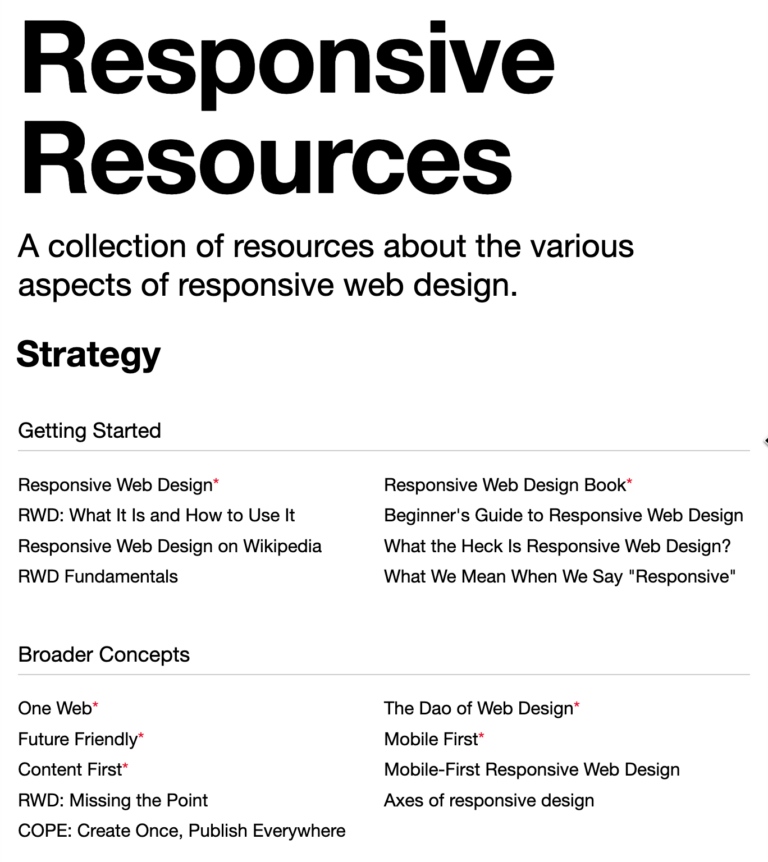
e. Resource page link-building
Identify high-authority sites in your niche that curate and link out to useful resources
Create a useful, industry-relevant resource for pitching
Reach out to the page creator suggesting your resource for inclusion
(View Tweet)
f. HARO
Use a platform like HARO (Help a Reporter Out) to connect with journalists for high-quality backlink opportunities
Receive daily emails with media requests for expert input
Pitch your expertise to be cited as a source in articles
(View Tweet)
Step #2 Link prospecting
Most of the campaign types mentioned above need you to do link prospecting for email outreach. Here’s how you can do it:
You need to collect 100s of prospects who could link out to your resource(s) (View Tweet)
Choose blogs/articles/resources in your niche that would benefit from your resource through a simple Google search
Run your competitors through Ahrefs and make a list of blogs that are linking to them
Find the right point of contact to reach out to (author, head of content, blog owner, editor, etc) and create a list of their email addresses (View Tweet)
You should organize these prospect details in Google Sheets.
This process can be time consuming, so you can have your team do it, or hire a VA. (View Tweet)
Step #3 Create personalized emails for each prospect
DO NOT use generic copy-paste templates for your email outreach.
Make sure your team member/VA personalizes every single email.
Personalize the subject line
Start with a very specific compliment that shows that you have looked them up
Keep it short, and get to the point quickly
Make it about them, how would they benefit from linking to your resource?
There you go, that was me giving away the simple link-building playbook that is currently used by my team.
Let me know if you have any more tactics/tips to add to this playbook. (View Tweet)
 (View Tweet)
 (View Tweet)
 (View Tweet)
 (View Tweet)
 (View Tweet)
 (View Tweet)